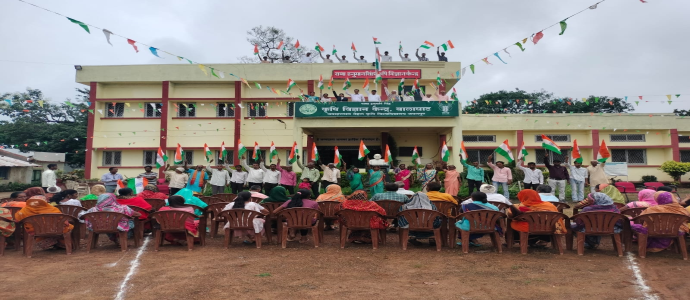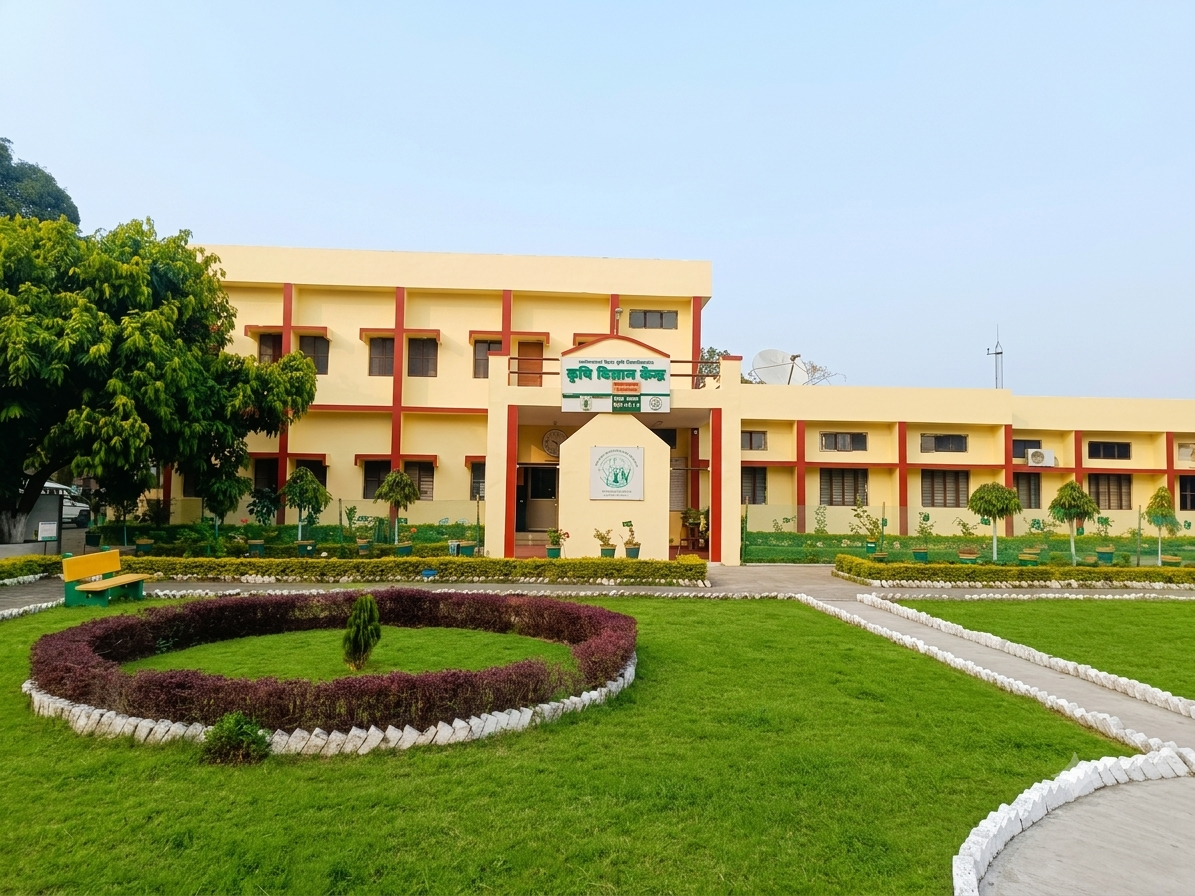
Balaghat District is located the south eastern portion of the Satpura Range and the upper valley of the Wainganga River. The district extends from 21°19 to 22°24 north latitude and 79°31 to 81°3 east longitude. The total area of the district is 9,245 km². Balaghat District is bounded by Mandla District of Madhya Pradesh to the north, Dindori District to the northwest, Rajnandgaon District of Chhattisgarh state to the east, Gondia and Bhandara districts of Maharashtra state to the south, and Seoni District of Madhya Pradesh to the west. the Main language spoken in district is Hindi, Gondi in Baihar Ukwa, Lodhi in paraswada, Northern parts of Balaghat tehsil and Bharveli, Kalari in Lanji kirnapur, Pawari in western parts i.e. Waraseoni, Katangi Lalbarra and Marathi in the southern part of district. The Wainganga is important river of the district. The southern part of the Vindhyan Range up to Katangi is called Lower Bhander Range. Beyond this point the escarpment enclosing the land-locked valley of Sirampur and the hill range in continuation is called the Kaimur Range.
Krishi Vigyan Kendra (KVK), Betul was established in 2002 under Jawaharlal Nehru Krishi Vishwa Vidyalaya (JNKVV), Jabalpur. Located in the Betul district of Madhya Pradesh, the KVK works towards the assessment, demonstration and dissemination of improved agricultural technologies suited to local farming conditions. Through farmer training, frontline demonstrations, advisory services and capacity-building programmes, KVK Betul promotes sustainable, climate-resilient and profitable farming practices to enhance agricultural productivity and farmers’ livelihoods.
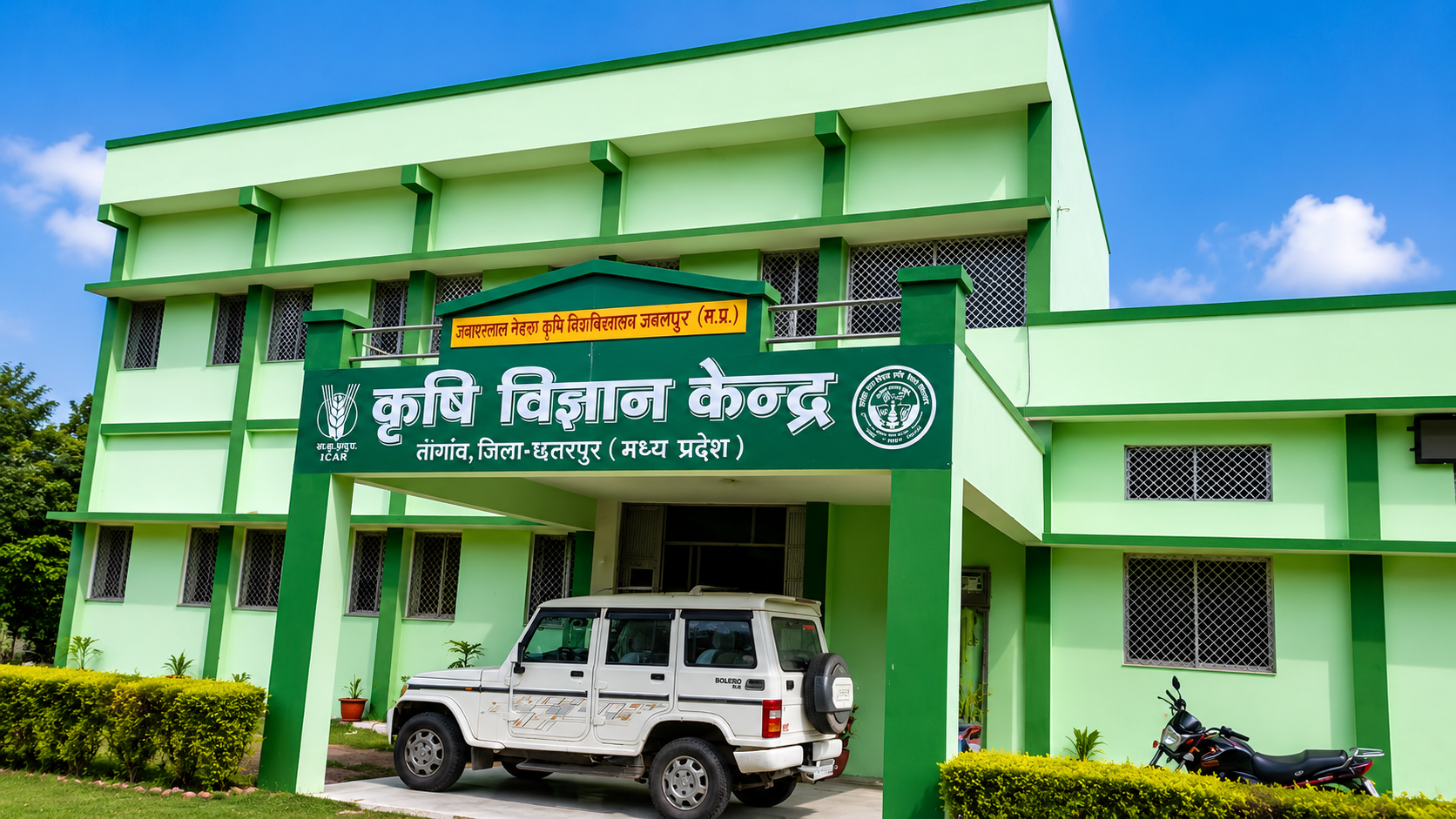
Krishi Vigyan Kendra (KVK), Chhatarpur was established in 2006, and its team started functioning during 2007–08. The KVK falls under the Bundelkhand agro-climatic zone, characterized by predominantly rainfed agriculture, undulating topography, and shallow soils. The district covers 8.63 lakh ha, with 4.85 lakh ha under cultivation, 3.06 lakh ha net irrigated area, and 1.83 lakh ha forest area. The district has about 83,512 small and 93,294 marginal farmers. KVK Chhatarpur focuses on promoting location-specific, climate-resilient and improved agricultural technologies through training, demonstrations, and extension activities to enhance farm productivity and farmers’ livelihoods. KVK Chhatarpur works towards the assessment, refinement, demonstration, and dissemination of improved agricultural technologies suited to the local agro-ecological conditions. Through training programmes, on-farm demonstrations, frontline demonstrations, advisory services, and other extension activities, the KVK supports farmers in adopting improved and sustainable production technologies for enhancing agricultural productivity and income.
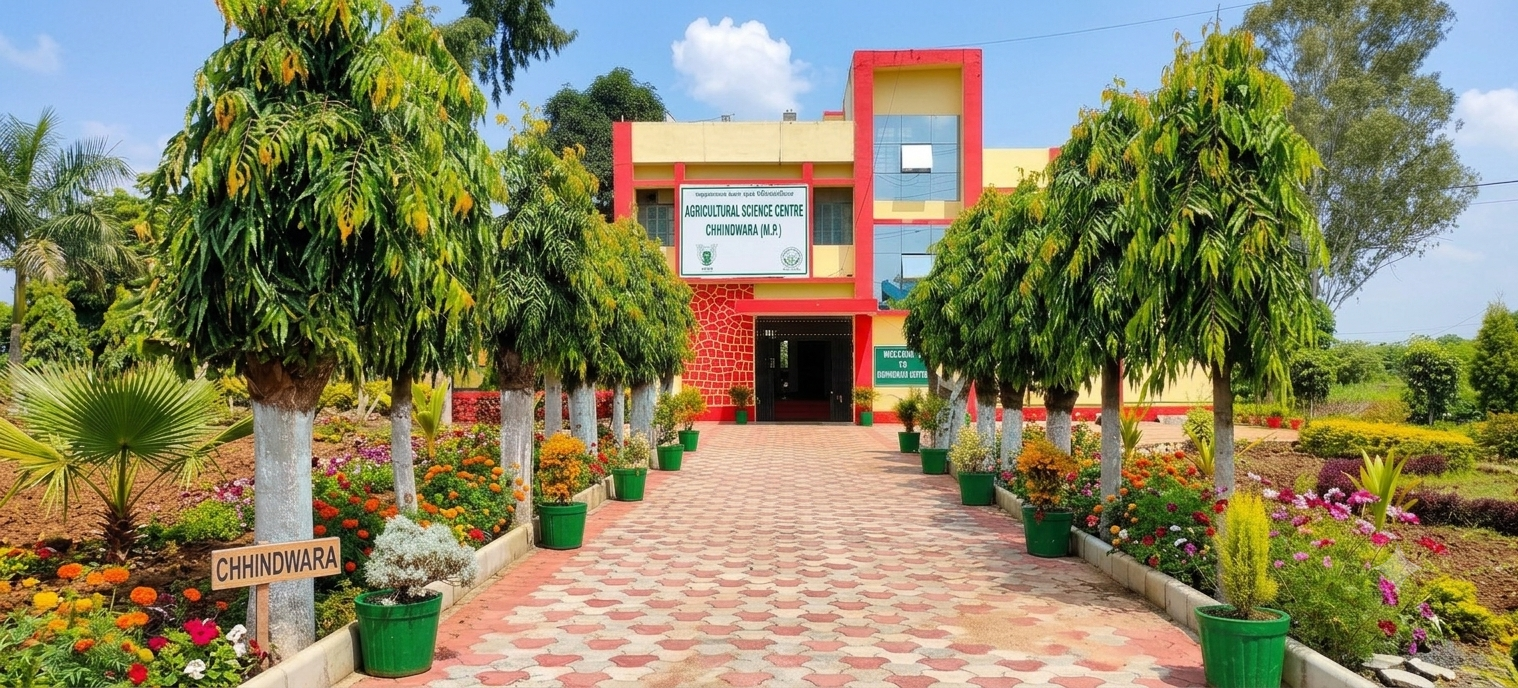
Krishi Vigyan Kendra (KVK), Chhindwara, established in 1983 at Chandangaon, serves as an important agricultural extension and technology-support centre under JNKVV, Jabalpur. The KVK focuses on addressing the region-specific needs of farmers by promoting improved crop production technologies, natural resource management, diversification and sustainable farming practices. Through demonstrations, training programmes, on-farm trials and regular farmer advisories, KVK Chhindwara facilitates the transfer of modern agricultural technologies from research institutions to farmers, contributing to enhanced productivity, profitability and rural livelihoods.
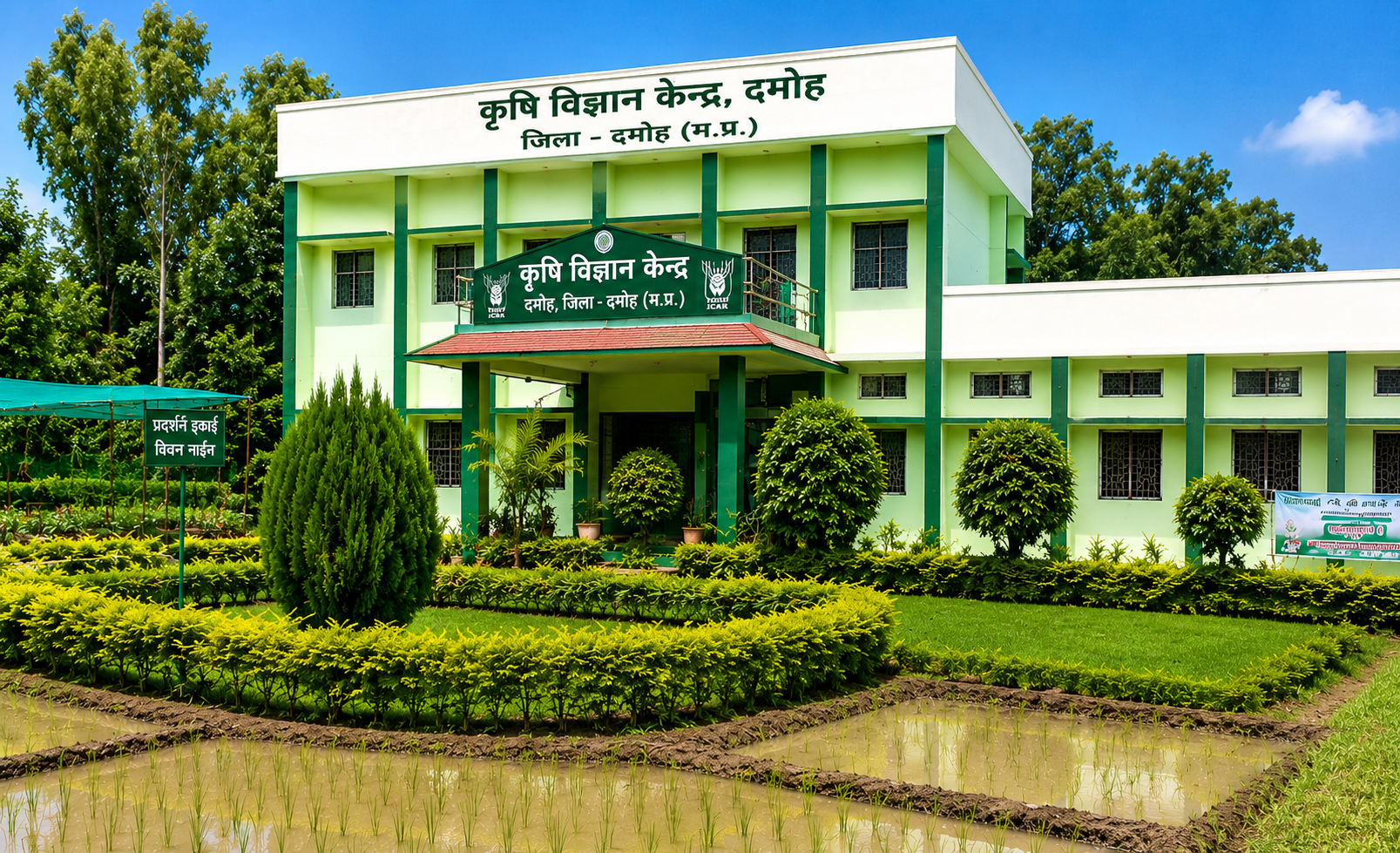
Krishi Vigyan Kendra (KVK), Damoh serves as a centre for agricultural knowledge, innovation and technology transfer in the district. The KVK works closely with farming communities to identify local agricultural challenges and promote practical, cost-effective and sustainable farming solutions. Through field demonstrations, farmer trainings, on-farm trials, advisory services and capacity-building activities, KVK Damoh encourages the adoption of improved crop production practices, resource-efficient technologies and diversified farming systems for increasing farm productivity and strengthening farmers’ income.
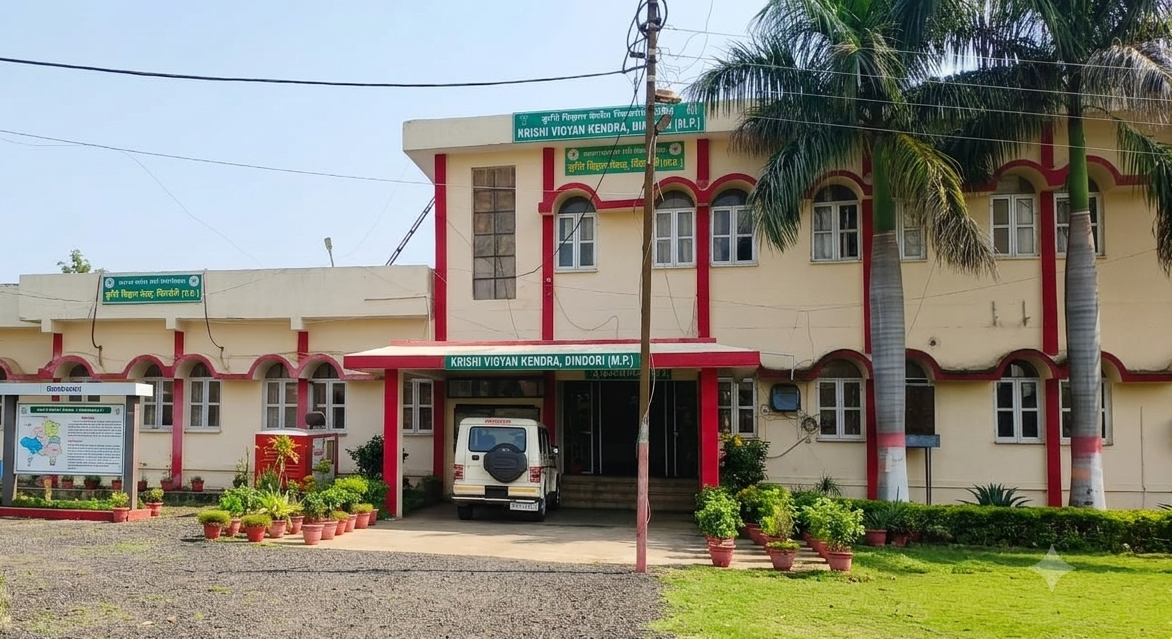
Krishi Vigyan Kendra (KVK), Dindori was established in 2003 at the Tribal Agricultural Research Station, Dindori, under Jawaharlal Nehru Krishi Vishwa Vidyalaya (JNKVV), Jabalpur. Since its inception, the KVK has been working to address the agricultural needs of the tribal and predominantly rural farming communities of the district. Over the years, it has emerged as a field-level centre for technology assessment, farmer capacity building and dissemination of location-specific agricultural practices. The KVK promotes climate-resilient farming, crop diversification, natural resource conservation, improved seed production, organic and integrated farming practices, and allied enterprises. Through field demonstrations, on-farm trials, training programmes, farmer–scientist interactions and need-based advisory services, KVK Dindori facilitates the adoption of appropriate and economically viable technologies, contributing to improved farm productivity, livelihood security and sustainable agricultural development.
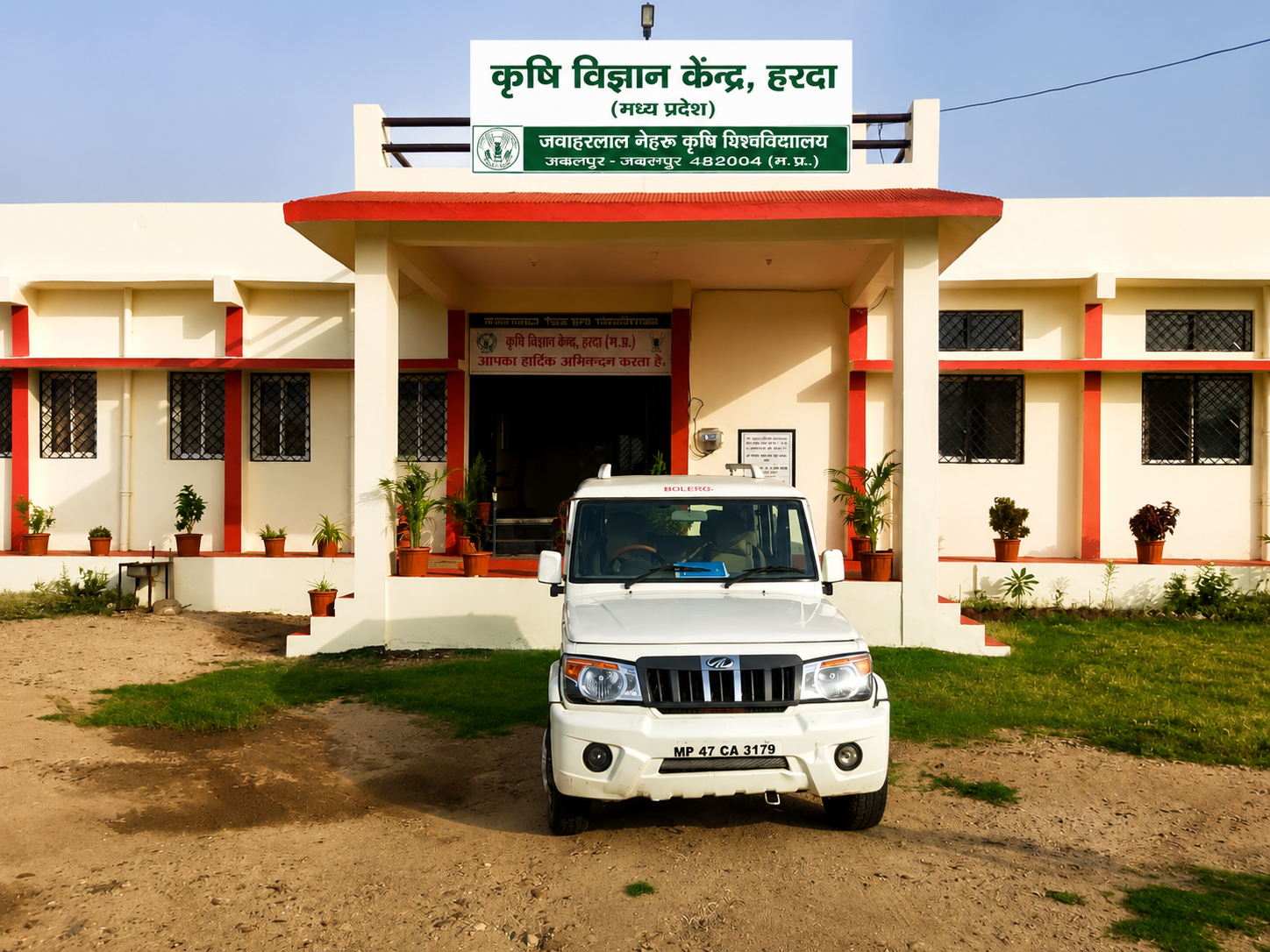
Krishi Vigyan Kendra (KVK), Harda was established in 2004 under Jawaharlal Nehru Krishi Vishwa Vidyalaya (JNKVV), Jabalpur. Since its inception, the KVK has been working as a farmer-oriented centre for agricultural technology assessment, refinement and dissemination in the district. Its activities include on-farm testing, frontline demonstrations, farmer training, skill development and need-based advisory services. Over the years, KVK Harda has promoted improved crop production, organic farming, resource-efficient technologies, diversification and sustainable agricultural practices, contributing to enhanced farm productivity, profitability and rural livelihoods
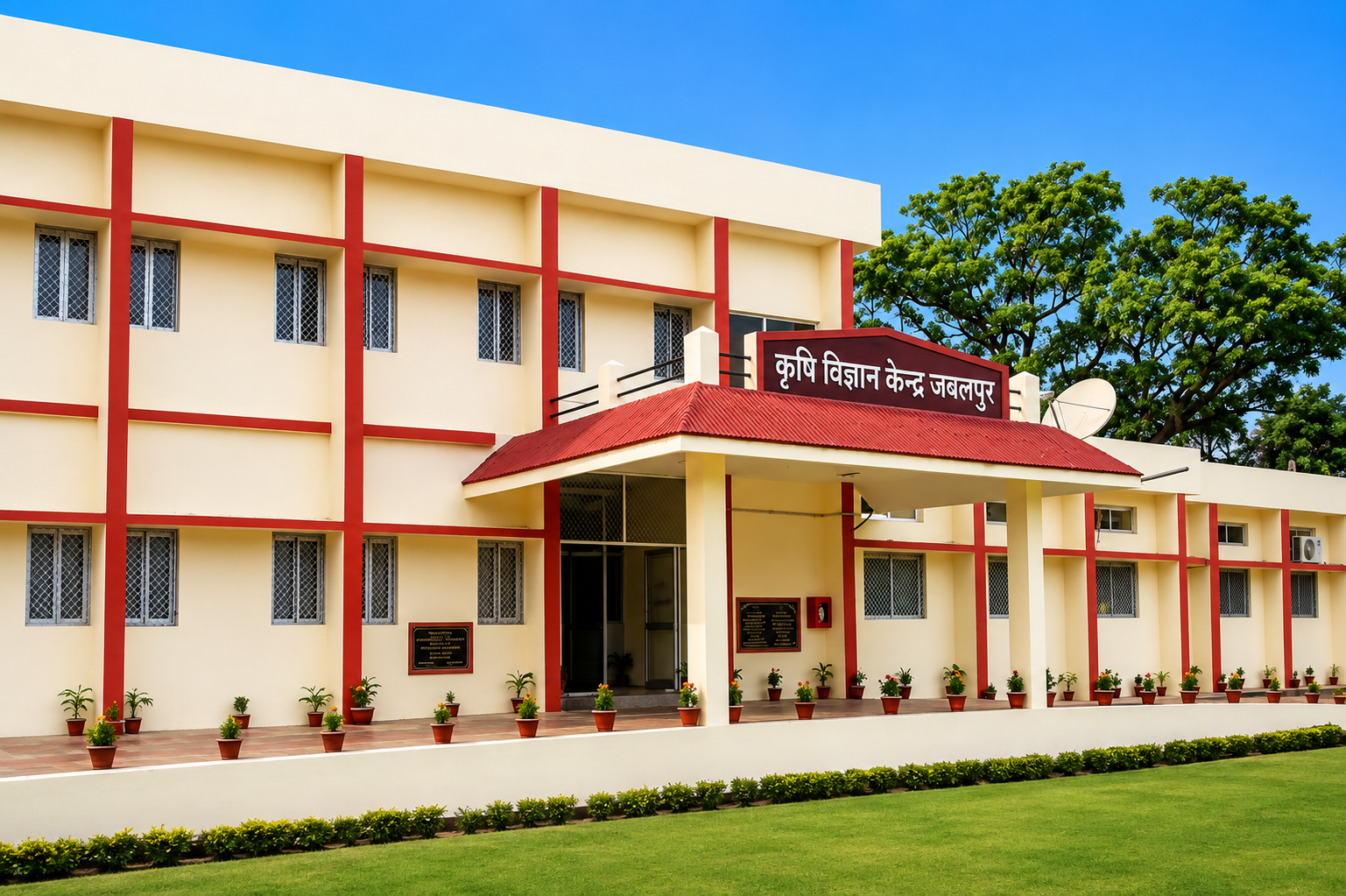
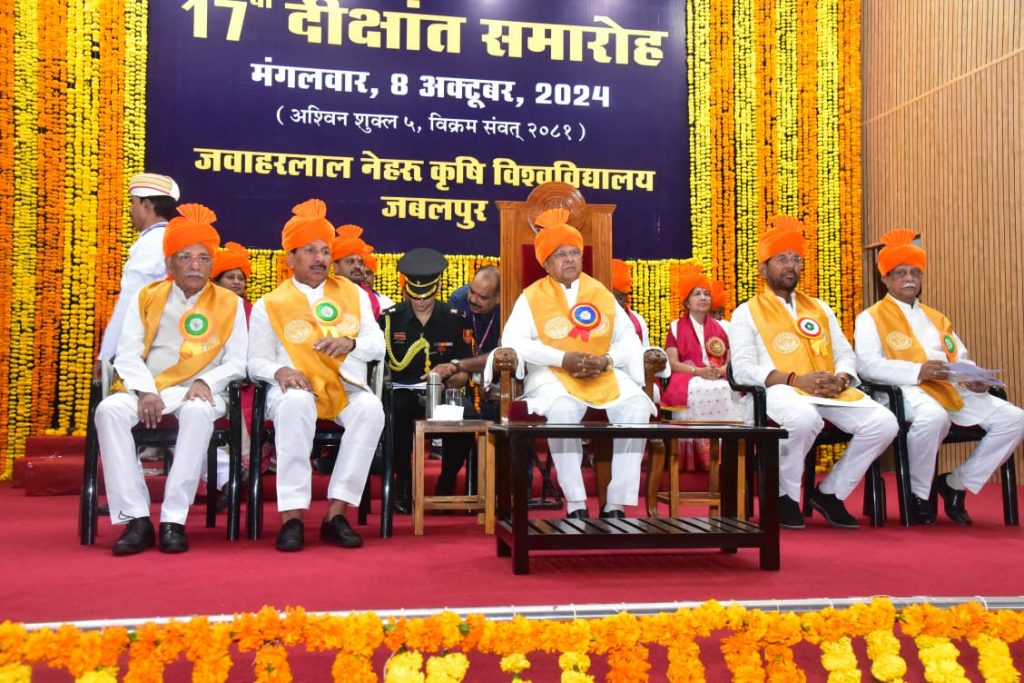
Krishi Vigyan Kendra (KVK), Jabalpur functions as an important agricultural technology and extension centre serving the farming community of the district. Its development is closely associated with the agricultural research and extension legacy of Jawaharlal Nehru Krishi Vishwa Vidyalaya (JNKVV), Jabalpur, established on 1 October 1964 with the integrated mandate of education, research and extension. The KVK facilitates the transfer of scientific knowledge and field-oriented technologies through demonstrations, on-farm testing, farmer training, capacity-building programmes and technical advisories. It promotes improved crop production, sustainable resource management, diversification and climate-resilient farming approaches to enhance agricultural productivity, profitability and the livelihoods of farming communities.
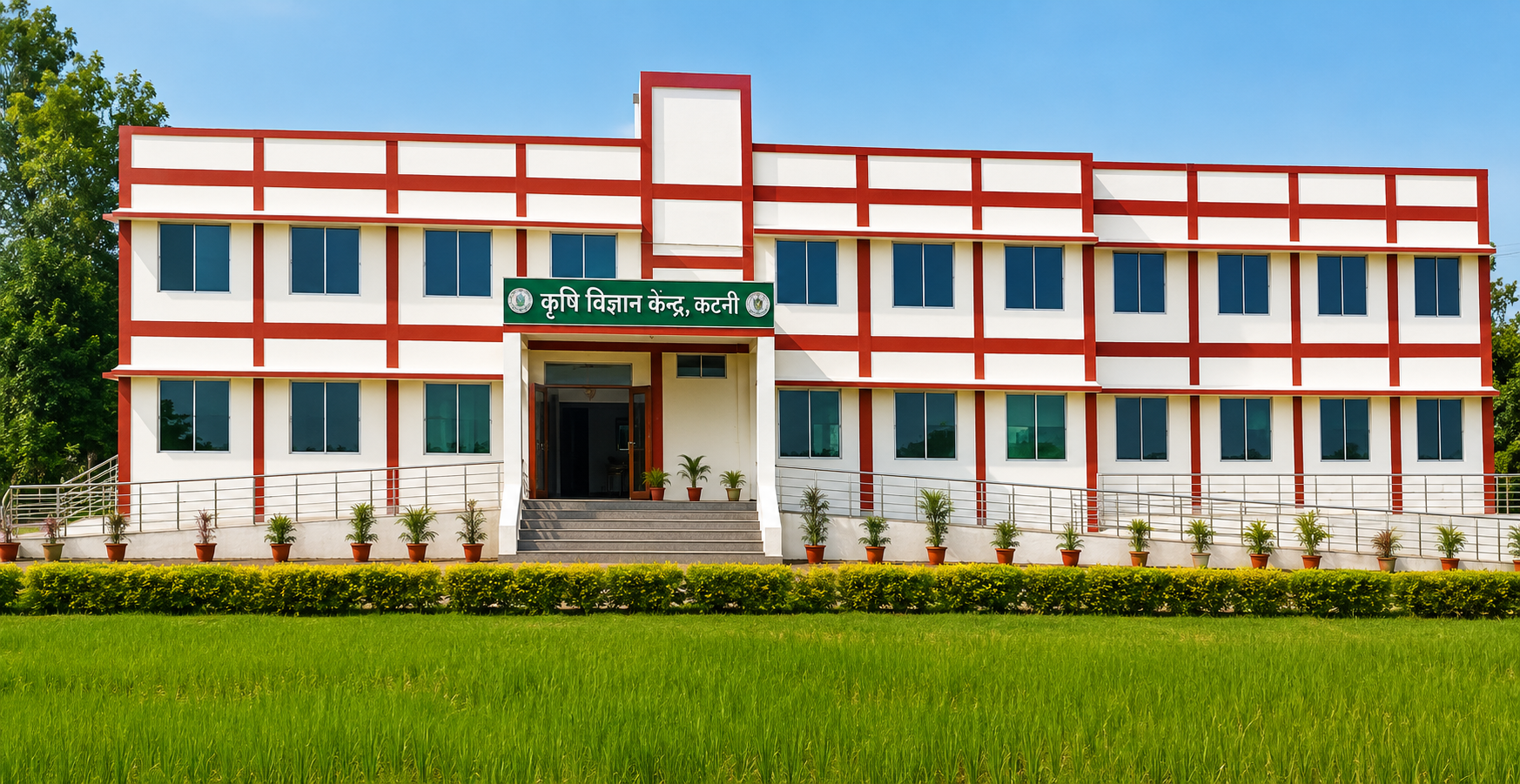
Krishi Vigyan Kendra (KVK), Katni was established in 2006 with the objective of bringing scientific agricultural knowledge and improved technologies closer to the farming community. Located at Pipraudh, the KVK functions under Jawaharlal Nehru Krishi Vishwa Vidyalaya (JNKVV), Jabalpur and serves the Kaymore Plateau & Satpura Hills agro-climatic zone. Since its inception, KVK Katni has focused on field-oriented technology assessment, farmer skill development, crop diversification and sustainable farm management through demonstrations, training programmes, on-farm trials and advisory services. Its initiatives have included promotion of SRI in paddy, ridge-and-furrow planting in soybean, orchard management, vocational skills and income-generating activities, contributing to improved farm productivity and livelihood opportunities.
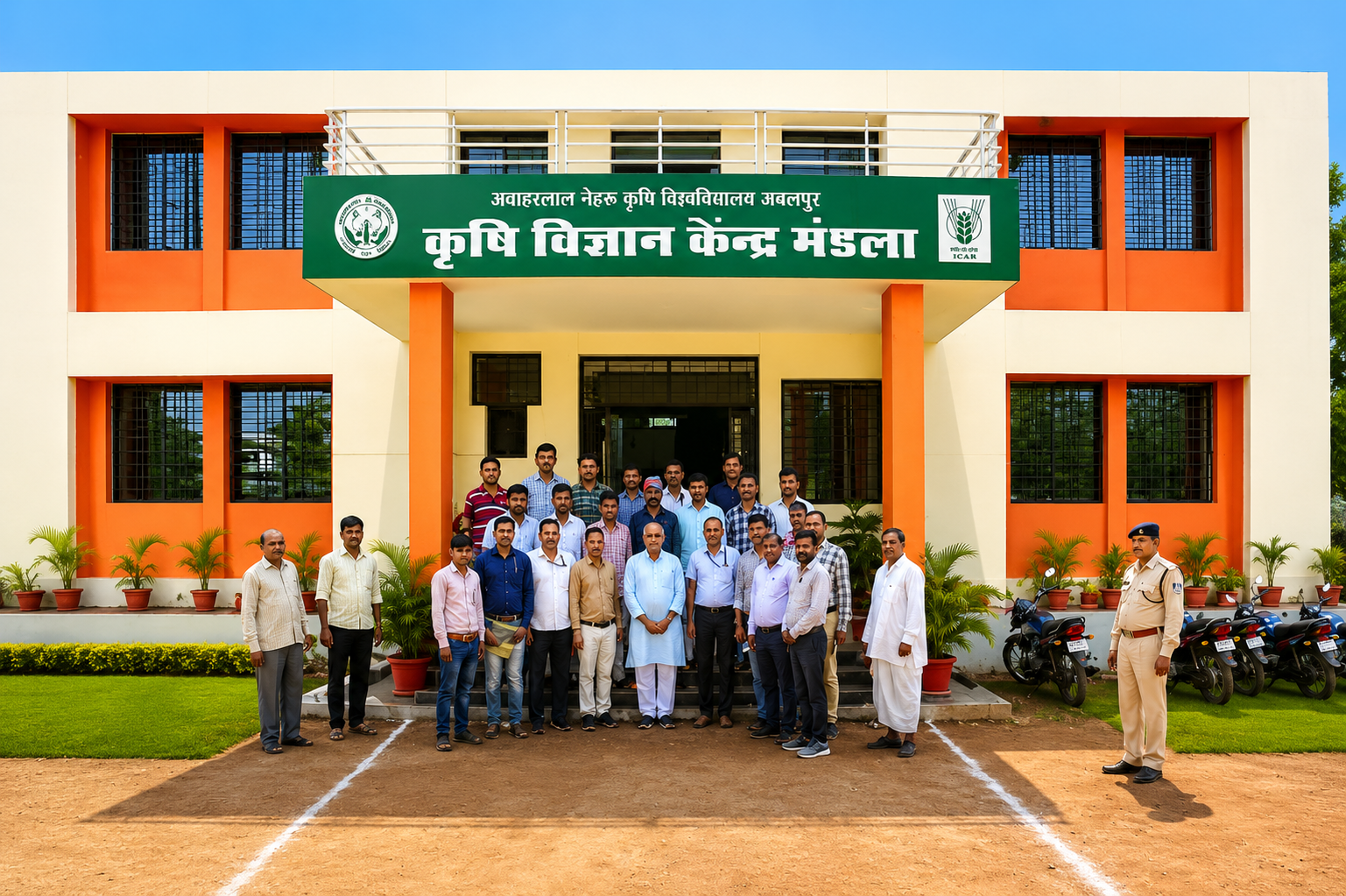
Krishi Vigyan Kendra (KVK), Mandla was sanctioned in 2006 under Jawaharlal Nehru Krishi Vishwa Vidyalaya (JNKVV), Jabalpur and has since been working to strengthen agricultural development in the district. Located in the Northern Hill Zone, the KVK caters particularly to the needs of small, tribal and resource-constrained farming communities. Over the years, it has developed into a field-oriented centre for technology assessment, farmer empowerment and agricultural innovation, with emphasis on crop diversification, integrated farming, natural resource conservation, improved production practices and allied enterprises. Through demonstrations, on-farm trials, vocational training, farmer–scientist interactions and need-based advisory services, KVK Mandla promotes sustainable, climate-resilient and livelihood-oriented agriculture.
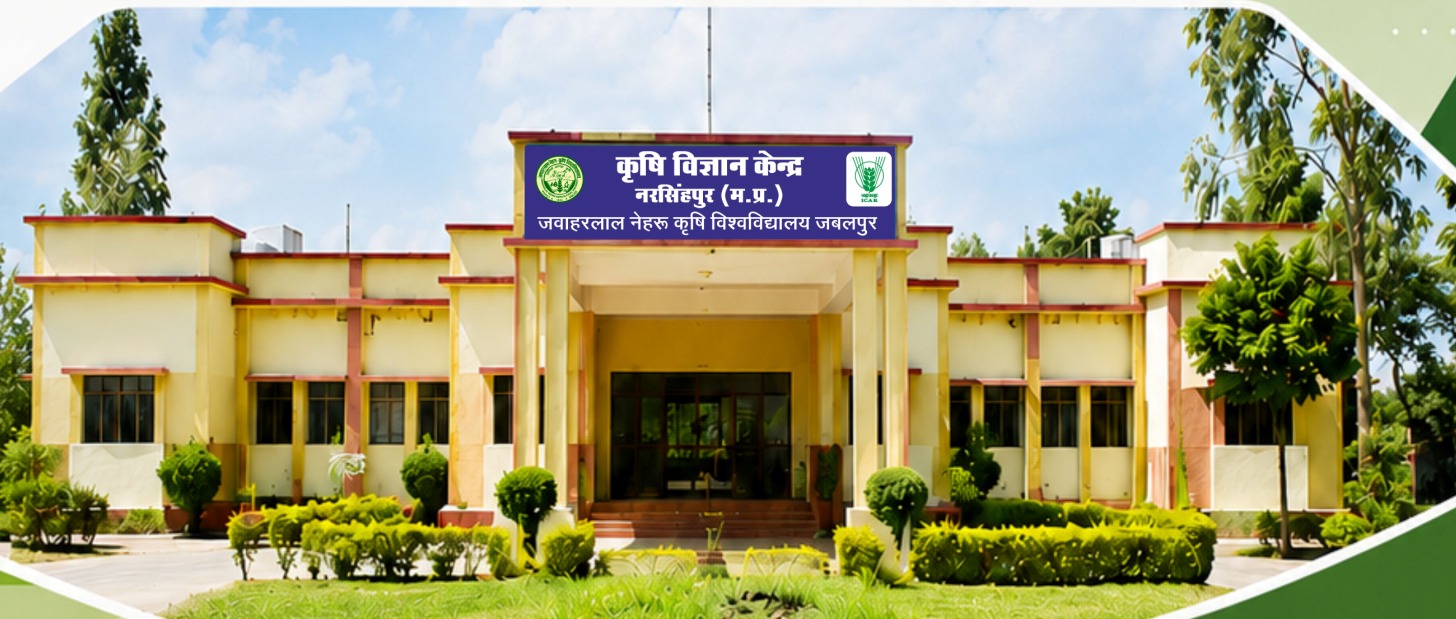
Krishi Vigyan Kendra (KVK), Narsinghpur was established in 2004 under the aegis of Jawaharlal Nehru Krishi Vishwa Vidyalaya (JNKVV), Jabalpur, with the objective of bringing scientific agricultural knowledge and improved technologies to farmers. Located in the Central Narmada Valley agro-climatic zone, the KVK caters to the needs of the district’s farming community through technology assessment, field demonstrations, farmer training, capacity building and need-based advisory services. Over the years, it has emphasized improved crop production, efficient resource utilization, diversification, sustainable agriculture and climate-resilient practices, helping farmers enhance productivity, profitability and livelihood security.
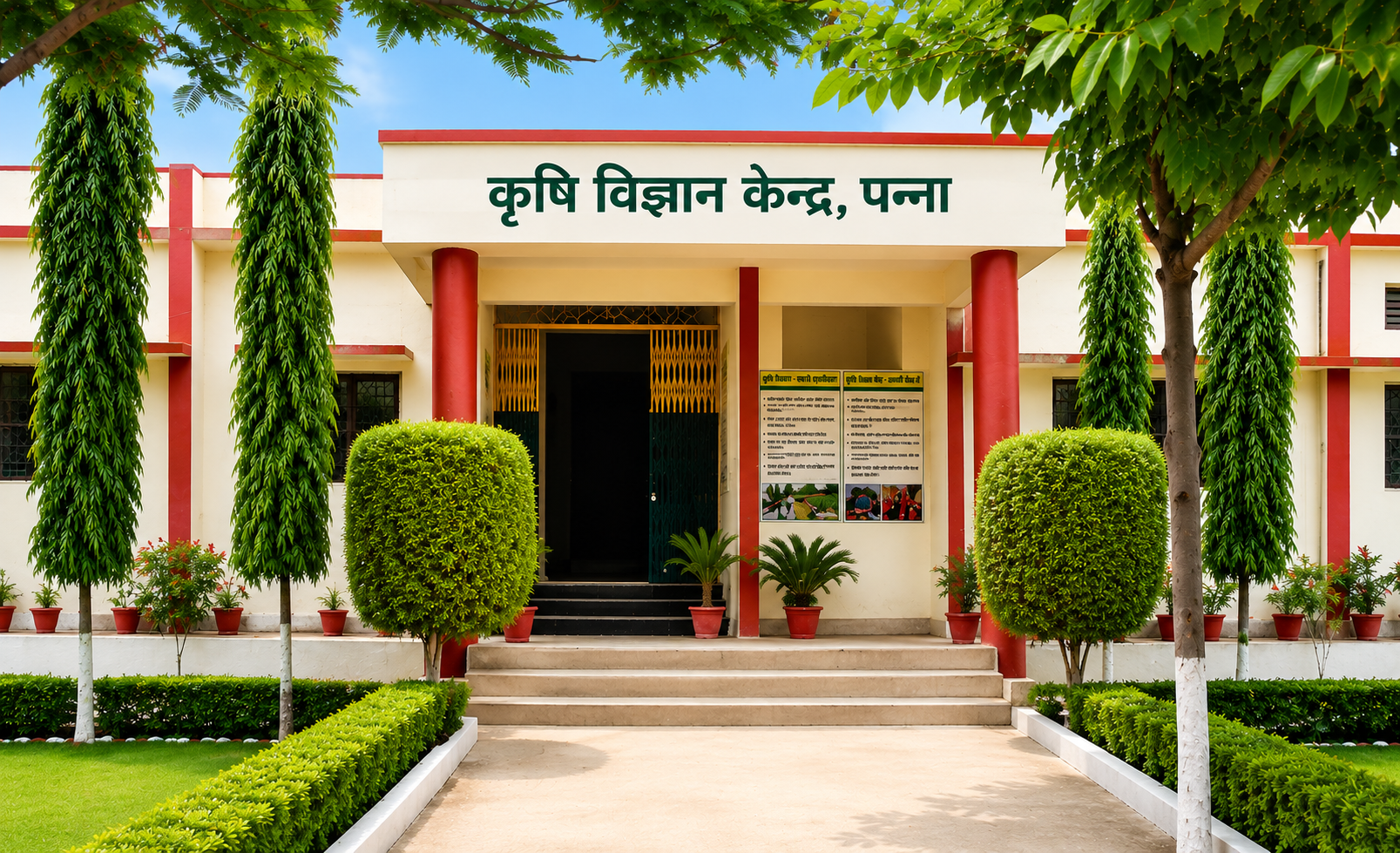
Krishi Vigyan Kendra (KVK), Panna was established in 2002 at Laxmipur under Jawaharlal Nehru Krishi Vishwa Vidyalaya (JNKVV), Jabalpur, with the aim of strengthening agricultural extension and bringing location-specific technologies within the reach of farmers. Over the years, the KVK has evolved as a field-oriented centre for agricultural innovation, knowledge dissemination and farmer capacity building. Its activities encompass technology assessment, frontline demonstrations, on-farm trials, skill development, technical advisories and promotion of diversified and sustainable farming systems. KVK Panna works to encourage the adoption of resource-efficient, climate-responsive and economically viable agricultural practices, thereby supporting higher farm productivity, improved profitability and sustainable rural livelihoods.
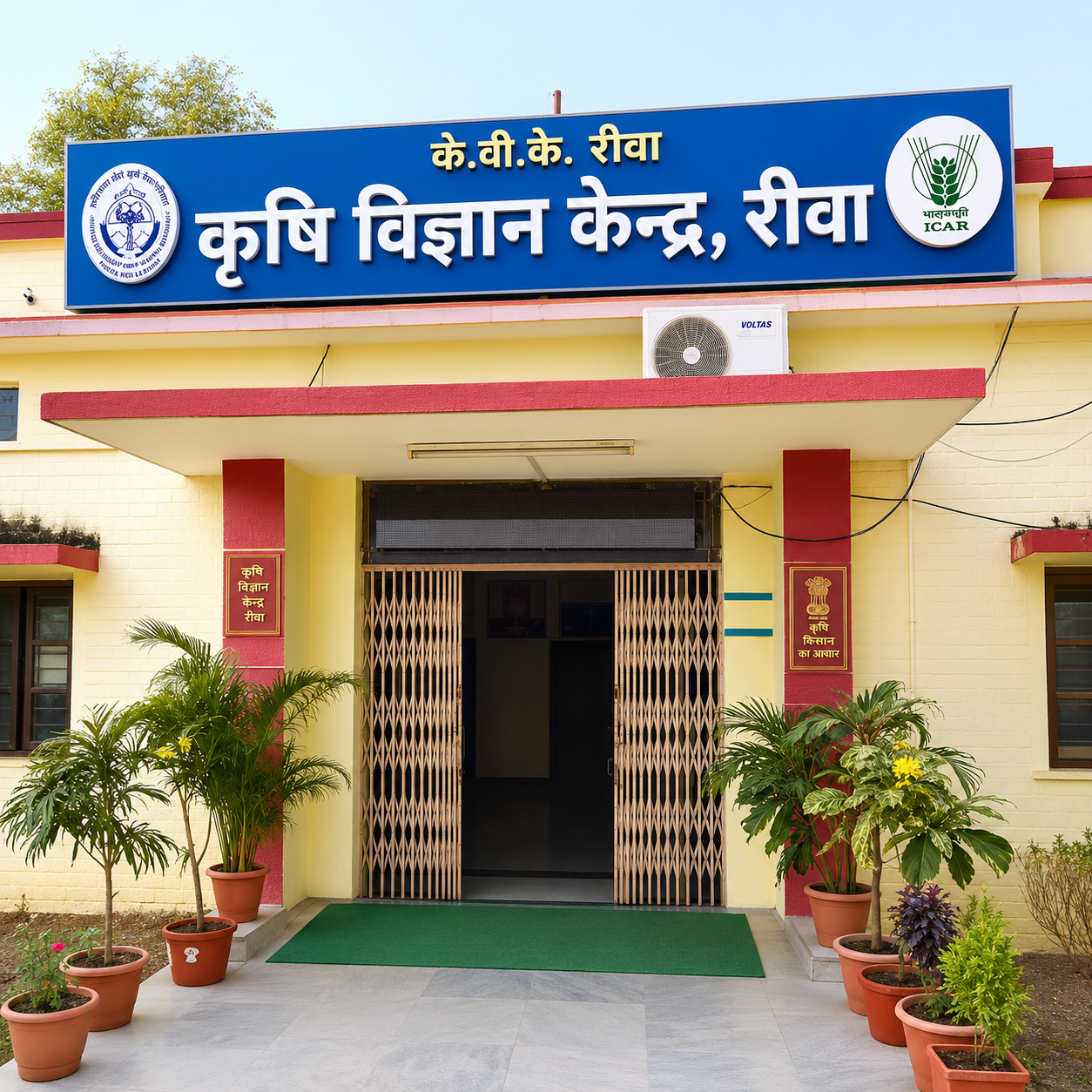
Krishi Vigyan Kendra (KVK), Rewa functions as an important agricultural extension and knowledge-support institution serving the farming community of the district. The KVK is part of the extensive agricultural education, research and extension network of Jawaharlal Nehru Krishi Vishwa Vidyalaya (JNKVV), Jabalpur, which was established on 1 October 1964. Rewa has a long agricultural education legacy, with formal agricultural education beginning in 1952 and the College of Agriculture, Rewa commencing its degree programme in 1955. Located in the Kymore Plateau and Satpura Hills agro-climatic zone, KVK Rewa emphasizes field-based technology validation, farmer skill enhancement, crop diversification, improved production practices and sustainable resource management. Through demonstrations, on-farm trials, training programmes, farmer–scientist interactions and technical advisories, the KVK promotes innovative and locally suitable farming practices for improving productivity, profitability and rural livelihoods.
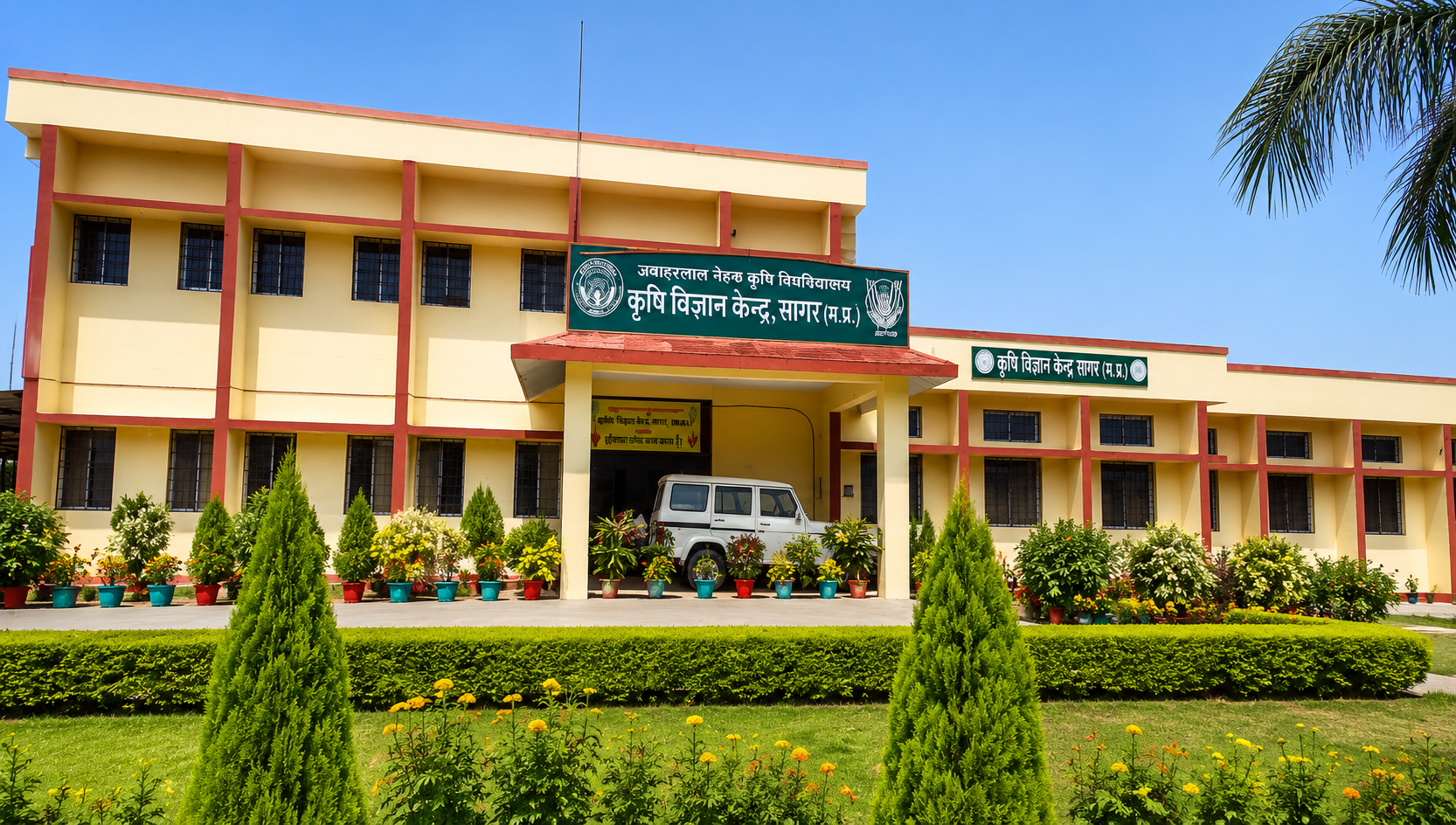
Krishi Vigyan Kendra (KVK), Sagar has been serving the farming community of the district as a field-oriented centre for agricultural technology and extension. Its institutional foundation is linked with the agricultural development and research network of Jawaharlal Nehru Krishi Vishwa Vidyalaya (JNKVV), Jabalpur, established on 1 October 1964. Sagar falls under the Vindhyan Plateau agro-climatic region, where the KVK addresses local farming challenges through technology evaluation, field demonstrations, farmer training, skill development and scientific advisories. Over the years, KVK Sagar has promoted improved crop management, diversification, efficient use of farm resources, integrated pest management and sustainable production practices, helping farmers adopt practical technologies for better productivity and farm income.
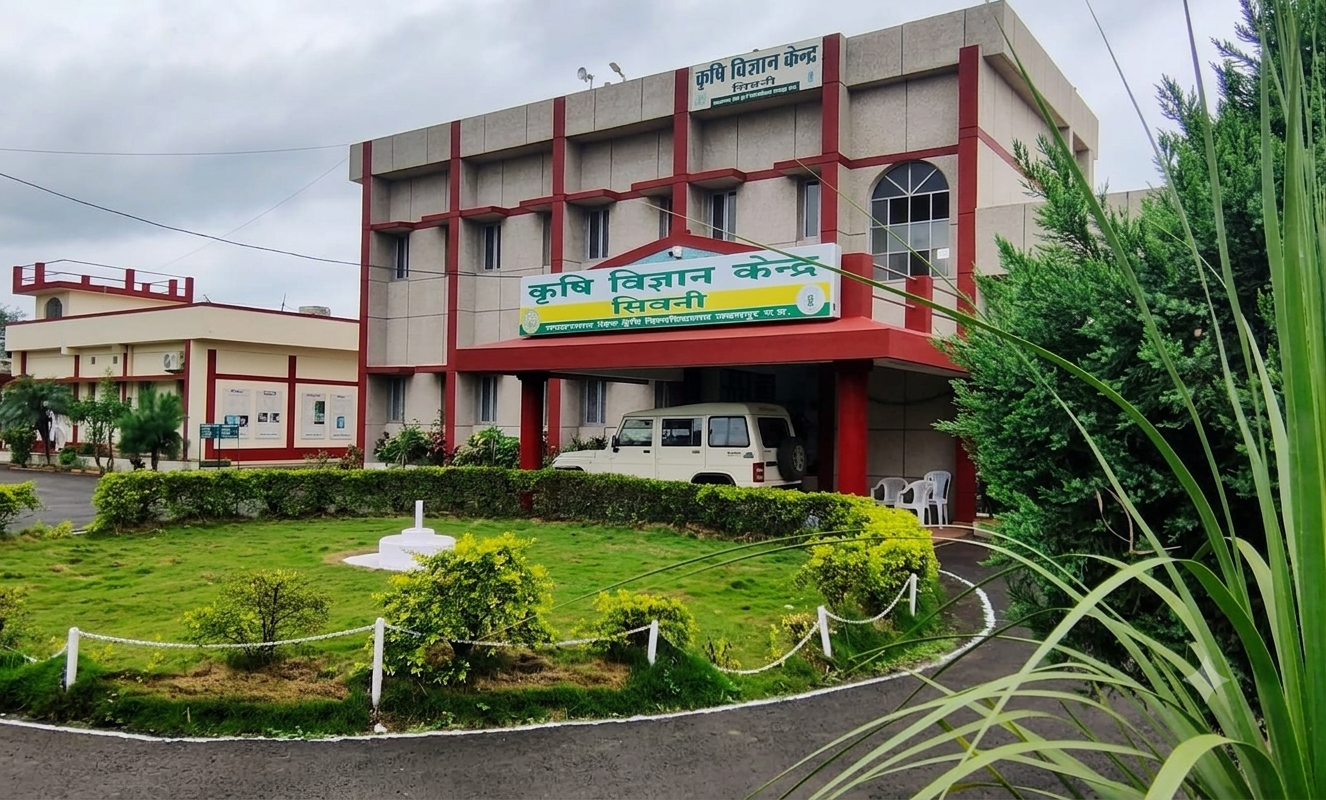
Krishi Vigyan Kendra (KVK), Seoni was established in 1994 at the Block Office Compound, Seoni, under Jawaharlal Nehru Krishi Vishwa Vidyalaya (JNKVV), Jabalpur. Since its establishment, the KVK has served as a farmer-centric platform for agricultural knowledge, technology validation and skill enhancement in the district. Located in the Kaymore Plateau and Satpura Hills agro-climatic zone, it promotes locally suitable technologies through field experimentation, demonstrations, capacity-building programmes, farmer–scientist interactions and technical advisories. Its efforts focus on sustainable crop production, efficient resource use, diversification, climate-resilient agriculture and improved farm-based livelihoods.
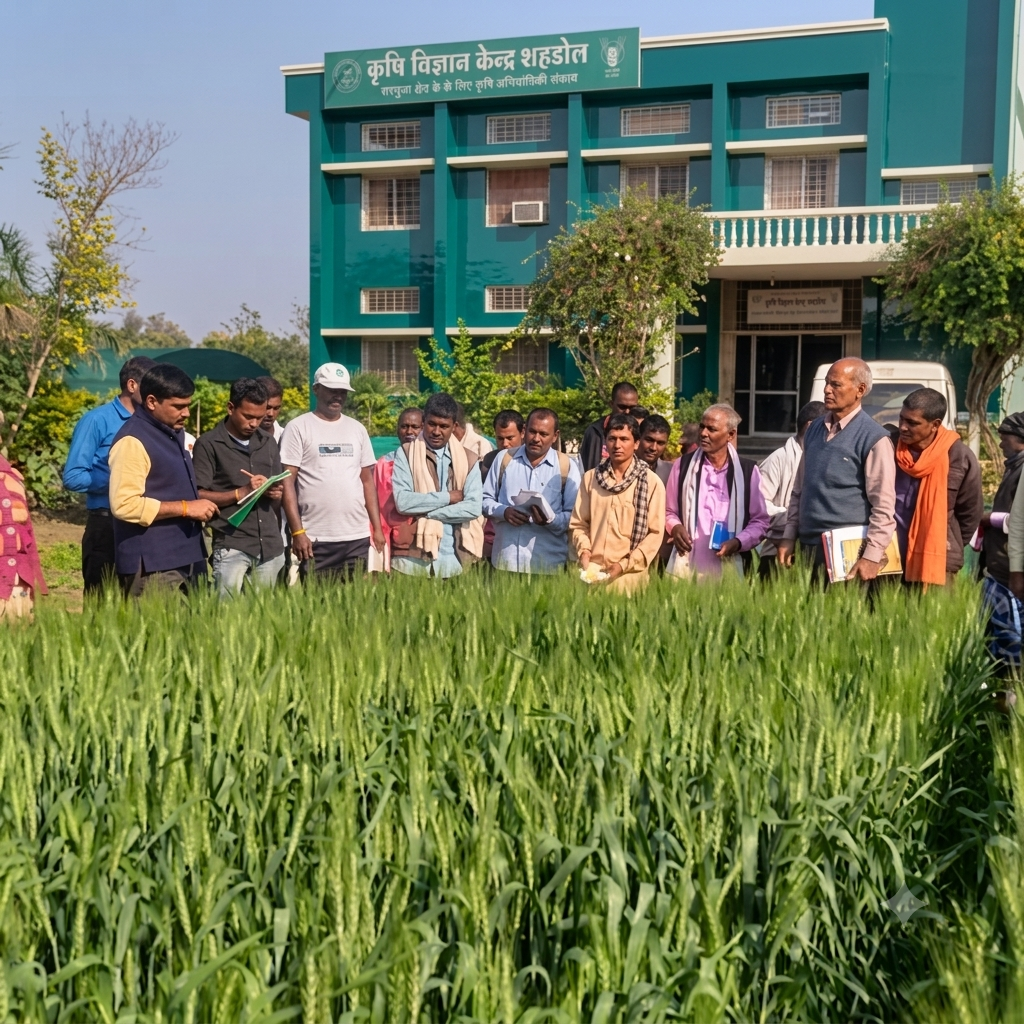
Krishi Vigyan Kendra (KVK), Shahdol was established in 1992 and is located at the Technical School Campus, Rewa Road, Shahdol. Since its inception, the KVK has played a vital role in strengthening agriculture in the district by translating scientific research into practical, farmer-friendly technologies. Situated in the Northern Hill Zone, the KVK caters to the needs of predominantly tribal and resource-constrained farming communities through technology assessment, field demonstrations, skill development, farmer training and technical guidance. Its initiatives focus on crop diversification, improved production techniques, sustainable resource management, integrated farming and climate-responsive agriculture, contributing to enhanced farm productivity, income generation and livelihood security.
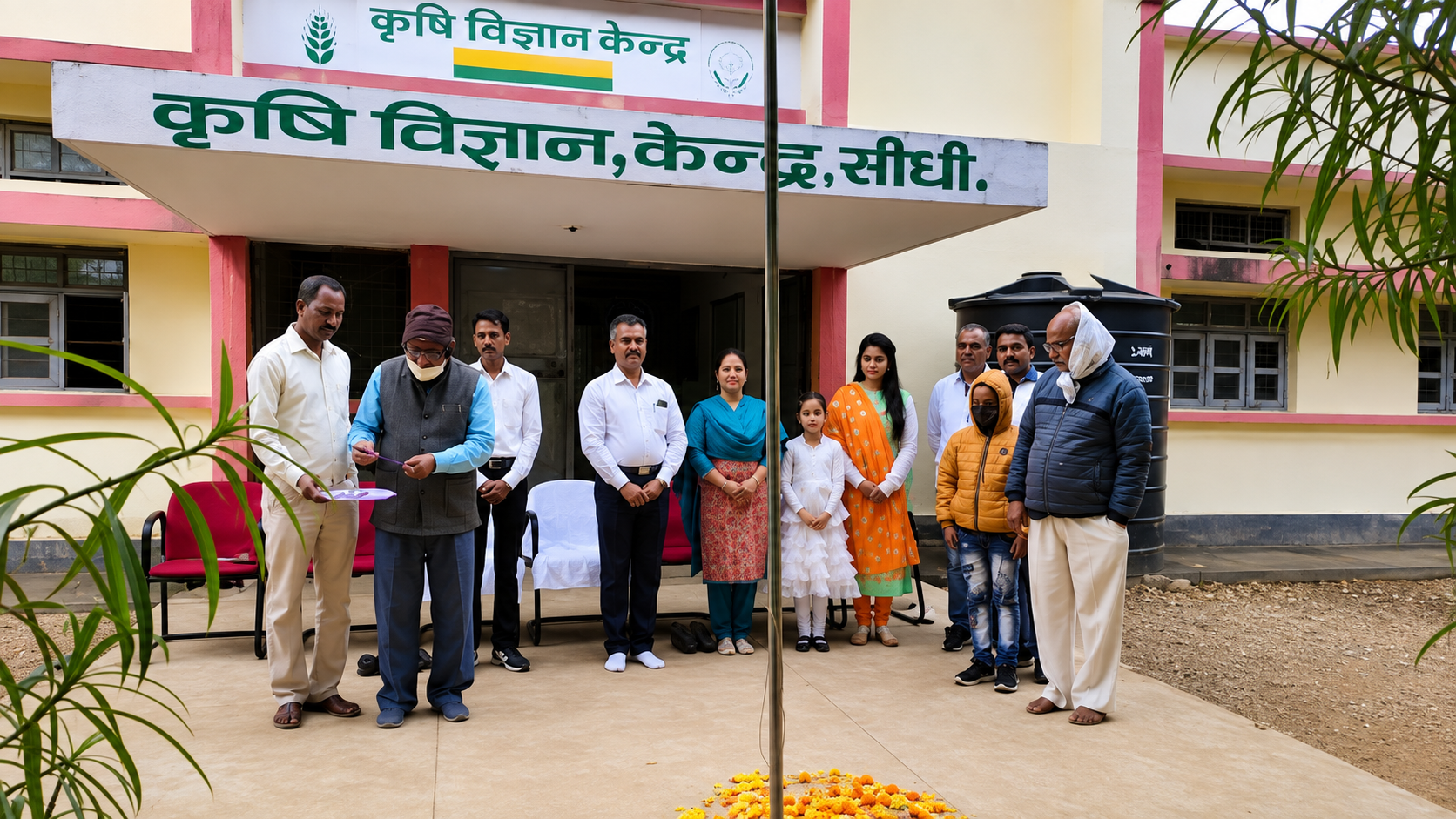
Krishi Vigyan Kendra (KVK), Sidhi was established in 1994 at Karondiya under Jawaharlal Nehru Krishi Vishwa Vidyalaya (JNKVV), Jabalpur. Since its inception, the KVK has worked as a farmer-focused centre for agricultural knowledge, technology validation and skill development, catering particularly to the needs of the district’s rural and tribal farming communities. Located in the Kymore Plateau and Satpura Hills agro-climatic zone, KVK Sidhi promotes location-specific crop technologies, diversified farming, efficient resource management and sustainable agricultural practices through field demonstrations, on-farm trials, training programmes, farmer–scientist interactions and technical advisories.
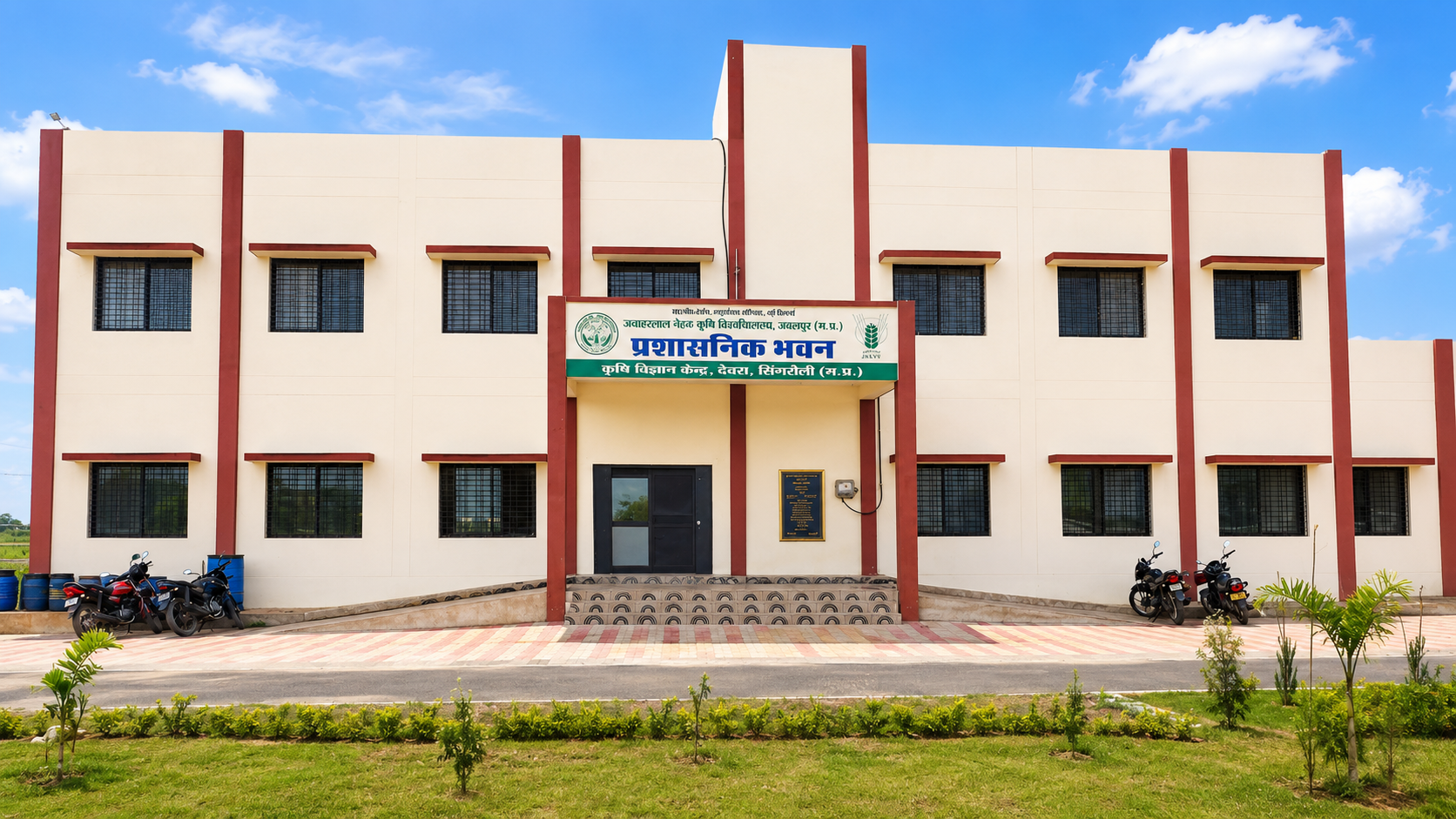
Krishi Vigyan Kendra (KVK), Singrauli was established in January 2018 under Jawaharlal Nehru Krishi Vishwa Vidyalaya (JNKVV), Jabalpur, as part of the university’s network of Krishi Vigyan Kendras serving farmers across Madhya Pradesh. Since its establishment, the KVK has focused on need-based agricultural technology dissemination and farmer capacity enhancement in the district. It undertakes technology assessment, field demonstrations, training programmes, on-farm trials and technical advisory activities, with emphasis on sustainable crop production, diversification, efficient resource utilization, climate-resilient practices and allied agricultural enterprises. Through close engagement with farming communities, KVK Singrauli works to translate scientific advancements into practical, affordable and locally appropriate solutions for improving farm productivity and rural livelihoods.
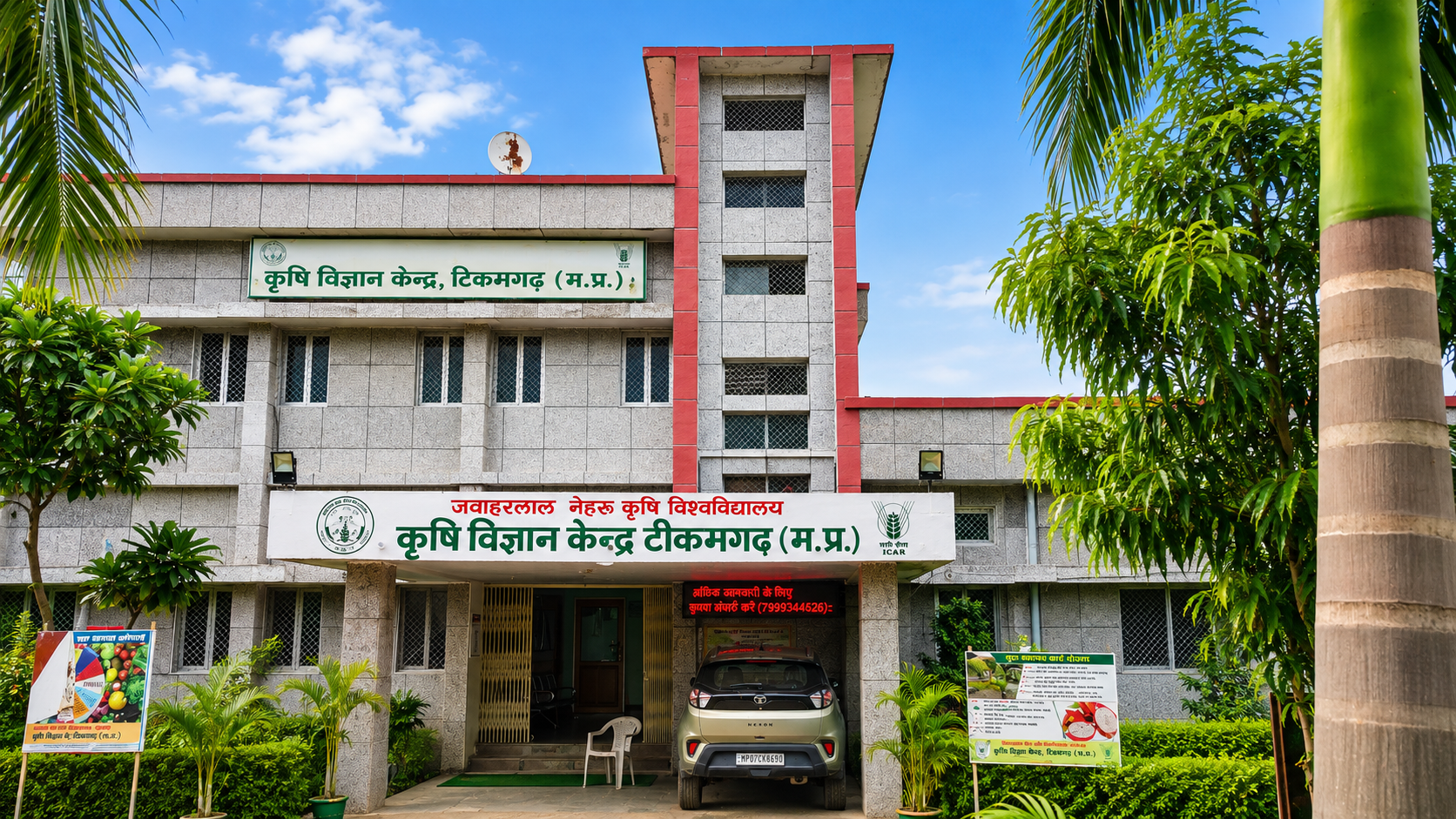
Krishi Vigyan Kendra (KVK), Tikamgarh was established in 1994 at Kundeshwar under Jawaharlal Nehru Krishi Vishwa Vidyalaya (JNKVV), Jabalpur, as part of the national network of KVKs established to strengthen farmer-oriented agricultural extension. Situated in the Bundelkhand agro-climatic zone, the KVK has evolved into a field-based centre for agricultural innovation, knowledge sharing and farmer empowerment. Over the years, it has focused on drought management, crop diversification, improved production technologies, efficient resource utilization, horticulture, livestock and livelihood-oriented enterprises through field demonstrations, on-farm trials, practical training and farmer–scientist interactions. Its efforts aim to promote resilient, resource-efficient and economically sustainable farming systems suited to the region’s challenging agro-ecological conditions.
Krishi Vigyan Kendra (KVK), Umaria started functioning in 2007 under Jawaharlal Nehru Krishi Vishwa Vidyalaya (JNKVV), Jabalpur, with the mandate of bringing scientific agricultural knowledge and improved technologies to the farming community. Situated in the Northern Hill Zone, the KVK caters particularly to the needs of the district’s tribal and smallholder farming communities. Over the years, it has developed into a field-based centre for agricultural innovation, skill development and technology dissemination, promoting crop diversification, improved varieties, integrated farming, resource conservation, horticulture and sustainable production practices through demonstrations, on-farm trials, farmer training and technical advisories.
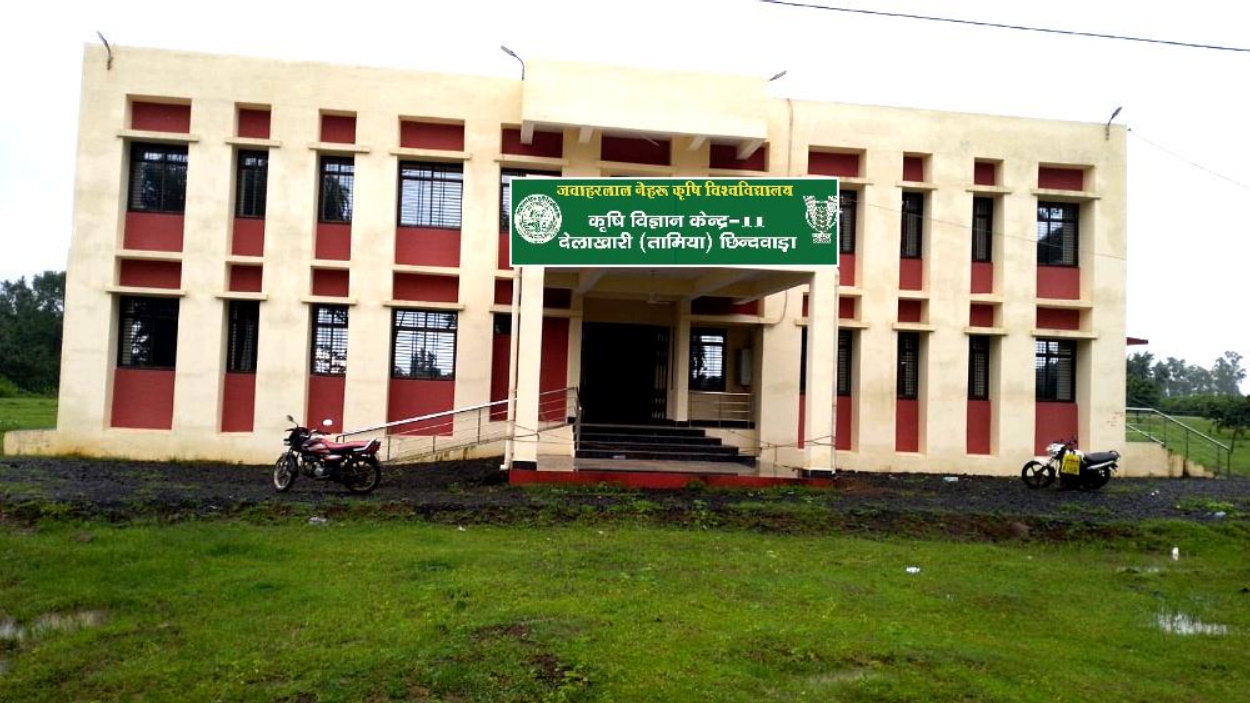
Krishi Vigyan Kendra-II, Tamia, Chhindwara was established in 2019 at Delakhari, Tamia, to address the specific agricultural and livelihood needs of the region’s farming communities. The KVK is part of the JNKVV, Jabalpur extension network and serves the predominantly tribal and hilly areas of Tamia and surrounding regions. Since its inception, the KVK has emphasized location-specific technology assessment, natural and sustainable farming, horticulture, crop diversification and livelihood enhancement. Through field demonstrations, on-farm trials, farmer training, skill development and technical guidance, it facilitates the adoption of practical, climate-responsive and resource-efficient agricultural practices, contributing to improved farm productivity and rural livelihoods.
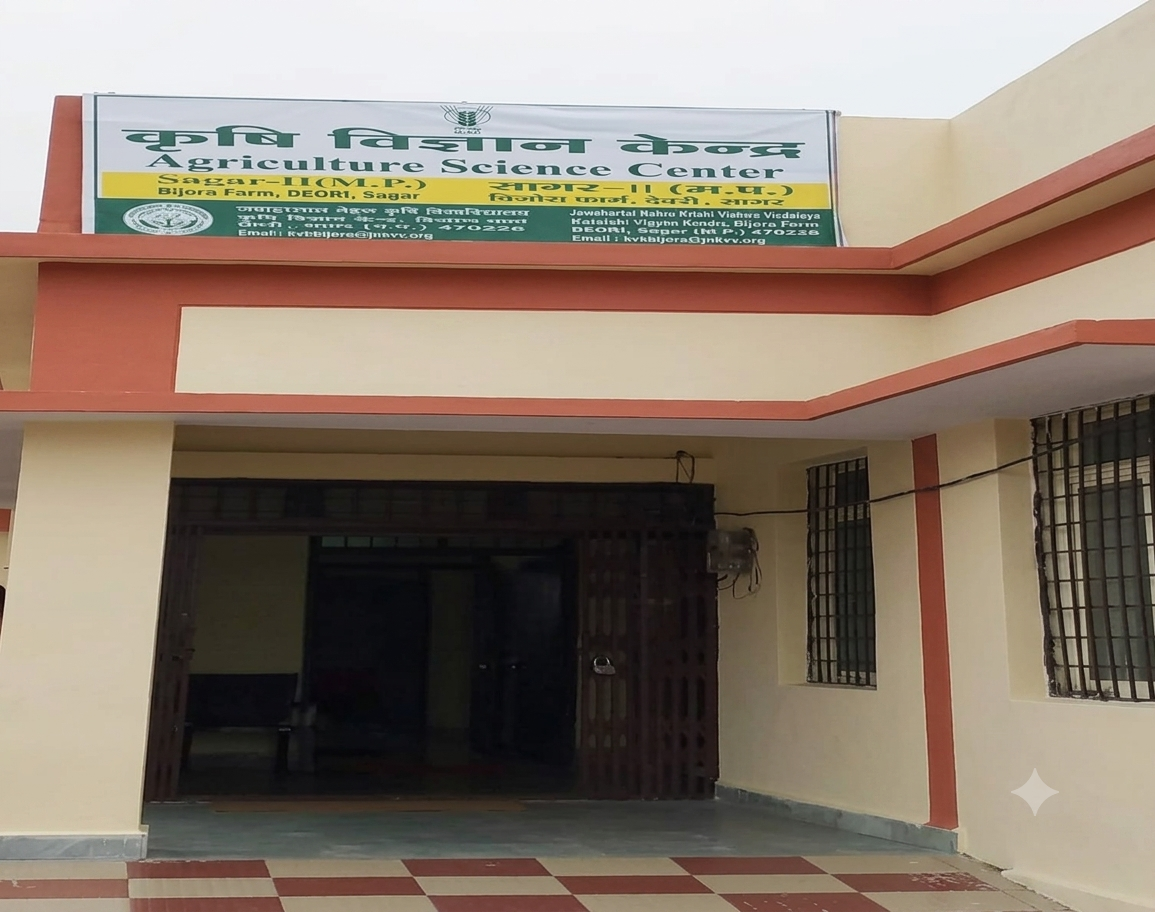
Krishi Vigyan Kendra-II, Bijora, Deori, Sagar established in 2020 is a part of the KVK network of Jawaharlal Nehru Krishi Vishwa Vidyalaya (JNKVV), Jabalpur. The KVK is located at Bijora Farm, Deori, District Sagar, and has been established to address the location-specific agricultural requirements of the region. Since its establishment, the KVK has focused on farmer-oriented technology dissemination, field-based demonstrations, technology assessment, skill development and technical advisory services. Its activities promote improved crop management, diversified farming, efficient resource utilization, sustainable agricultural practices and livelihood-oriented enterprises, helping farming communities adopt practical and economically viable technologies for enhanced productivity and income.